You've circled Baldwin Avenue at least once this year looking for a spot, given up, and driven to the free lot at the highway entrance instead. Maybe you've stopped going to Mana Foods on weekends altogether. One Maui resident said as much in a recent online discussion about the town, describing how the traffic and parking hassle had made the store not worth the trip anymore. If you live in Paia or Kuau, none of this is news. What might be news is that the two "parking fixes" you've heard about in the last year are not the same project, and they are not on the same timeline. Conflating them means you're either waiting for relief that's a decade out or missing relief that may already be arriving.
Two different projects, two different clocks
The bigger of the two is the project now moving through county approvals as Hoʻonani Village, previously referred to during early hearings as EC Paia Town. Developer Sam Hirbod, through his company EC Paia, purchased roughly 340 acres of former Alexander & Baldwin sugarcane and mill land on the edge of town. Of that, 40 acres are slated for development, with the remaining 300 staying in agriculture. The proposal includes up to 170 homes, split between 120 single-family lots and 50 multi-family units, along with commercial space, a medical clinic, and a 200-stall public parking lot.
That parking lot is the detail that tends to get repeated around town, because it's pitched as relief for exactly the congestion locals already deal with every day. The Maui County Council's Housing and Land Use Committee voted 7-0 in May to forward the project to the Maui Planning Commission, and the full Council later moved it forward on first reading in June. It's real progress on paper. It is also, by the developer's own account, nowhere close to shovels in the ground. Attorney Cal Chipchase, who represents the project, told the committee that construction realistically sits seven to ten years out, pending review from the state Land Use Commission, Special Management Area permitting, and other approvals still to come.
The plan also proposes relocating the existing Paia mini-bypass road farther west and converting the current bypass into a greenway for pedestrians and cyclists, which would eventually change how traffic moves around the edge of town. Eventually is doing a lot of work in that sentence. Chipchase, addressing skepticism that outside money was behind the project, put it plainly: "Sam is EC Paia. It's his company. There isn't a conglomerate behind him." Whatever the ownership structure, the timeline doesn't change. If you're hoping the 200-stall lot solves your Saturday morning parking problem, you're looking at somewhere between 2033 and 2036 at the earliest, and that assumes every remaining approval clears without delay.
The smaller fix that's actually underway
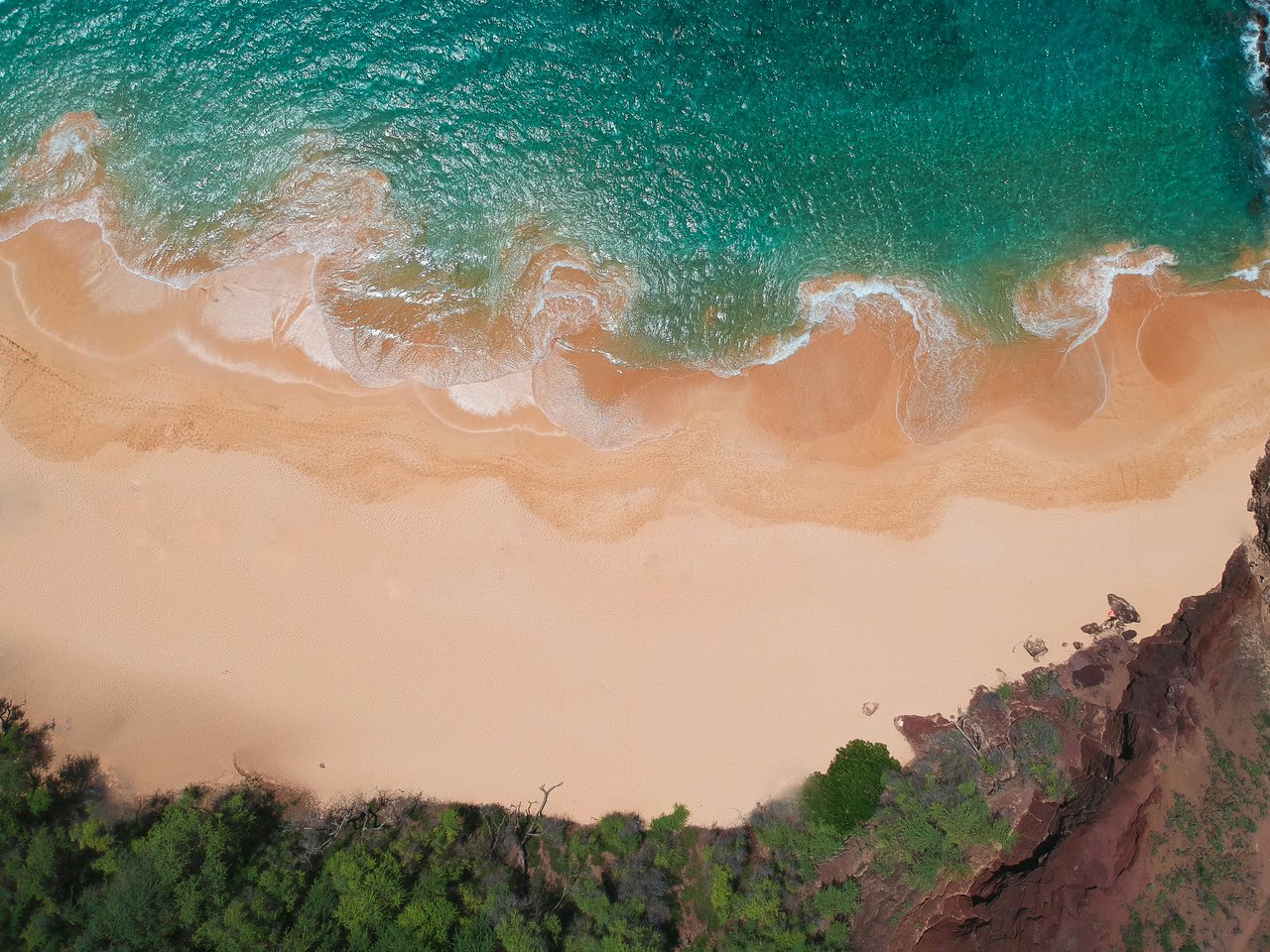
Meanwhile, a much less talked-about project has been quietly happening at Lower Paia Park, better known to most of us as Paia Bay. The county closed the main parking lot there on January 4, 2026, for what it described as extensive repair, setting up a temporary lot to the west of the original one so the beach itself could stay open during construction. The county's own timeline pointed to completion sometime in summer 2026, which puts us right around the window now, though the county hadn't specified an exact reopening date in the announcements. If you've been parking at Paia Bay this year, you've already lived through this smaller version of the story, and depending on where the contractor landed on that summer estimate, the real lot may already be back or close to it.
It's a modest fix. It won't touch the daily congestion on Baldwin Avenue or the crawl through town on Hana Highway. But it's the one piece of parking-related construction in Paia that isn't tied to a housing entitlement process, a zoning fight, or a multi-year state review. It's a repaving and repair job, and repaving jobs finish on the timeline they're given. The 200-stall lot tied to Hoʻonani Village is a different category of project entirely, contingent on approvals that haven't happened yet.
One thing hasn't changed regardless of which lot you're using: street parking along Hana Highway between Lower Paia Park and Baldwin Beach Park is prohibited, and the state Department of Transportation has tow-away signage posted and enforced along that stretch. The old habit of pulling onto the shoulder is no longer an option, temporary lot or not.
The other Baldwin Avenue fight
There's a third piece to this that often gets folded into the same conversation, even though it's a separate parcel with a separate purpose. The historic Paia Sugar Mill site, roughly 20 acres at 300 Baldwin Avenue, is the subject of its own rezoning proposal, from Urban Reserve to M-1 light industrial. That change would open the mill site to workshops, makerspaces, small manufacturers, and space for farmers markets, positioned as an adaptive reuse of the old mill rather than new housing.
Resident testimony on that proposal has raised a different concern than the one aimed at Hoʻonani Village. The worry isn't traffic from new homes. It's the opposite problem: a commercial and light-industrial hub that brings workers into town every day without adding anywhere for them to live, which could add commuting traffic without solving anything on the housing side.
Maui County Planning Director Jacky Takakura flagged a related concern about how these separate projects are being reviewed. Because Hoʻonani Village is a Council-initiated resolution rather than a standard applicant-driven proposal, it faces a lighter review process than a private development of similar scale would normally undergo. Takakura asked Council members to eventually take what she called a "30,000-foot look at Paia as a whole," weighing Hoʻonani Village alongside the Paia Mill rezoning and the separate Paia Train Depot project, since their combined effect on the town is what actually matters, not any one approval in isolation.
Public testimony on Hoʻonani Village split along familiar lines. Longtime resident Francine "Aunty Mopsy" Aarona spoke in favor of the project during the May hearing:
"I am for growth, but smart growth."
Baldwin Avenue resident Lauren Blickley took the opposite view, saying she'd only learned about the project's scope the week before the hearing and felt she hadn't had time to weigh in on something that would directly affect her street.
What this actually means if you live here
If you're trying to figure out when Paia's parking situation improves, the honest answer is that it depends which project you mean. The Lower Paia Park lot is a near-term, small-scale fix that should be wrapping up or already done based on the county's own summer 2026 estimate. The 200-stall lot tied to Hoʻonani Village is real, but it's attached to a housing and commercial development that still needs state-level land use approval and could easily take most of the next decade to break ground, if it clears every remaining hurdle at all. And the Paia Mill rezoning is a distinct question about industrial use versus housing that hasn't been resolved either.
None of these three threads move the needle on this Saturday's parking search. The town's daily congestion, the one that's turned a quick trip to Mana Foods into a calculation about whether it's worth the hassle, is going to be part of life here for a while longer regardless of how any of these votes land. Keeping the three stories straight at least means you're not waiting on the wrong one.
If you're weighing what any of this means for a property you own or a home you're watching in Paia, Kuau, or Spreckelsville, Dennis Carhart has spent two decades reading these North Shore shifts as they unfold. Let's connect.